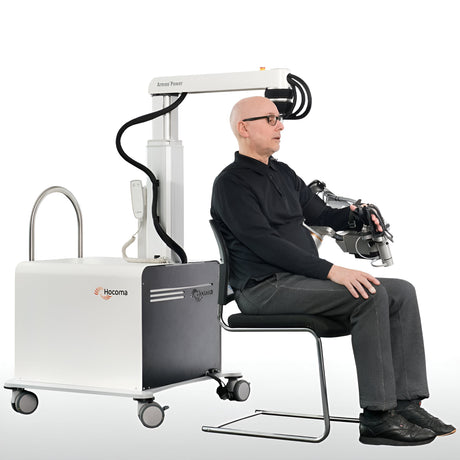
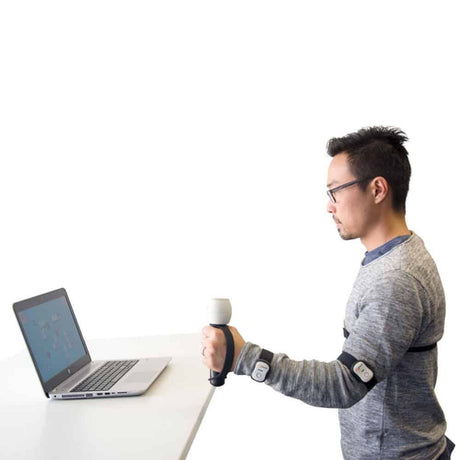
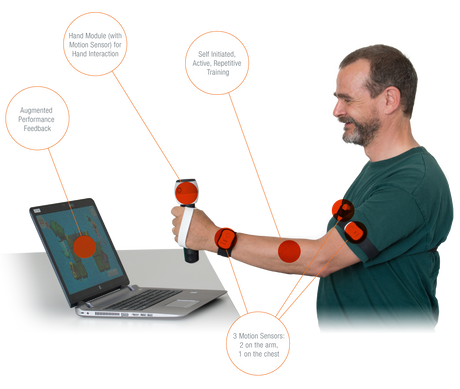
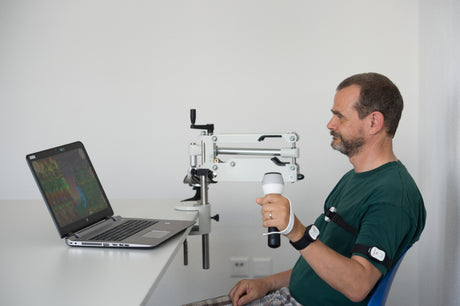
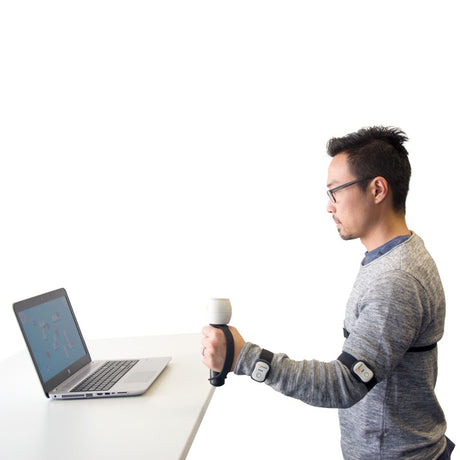
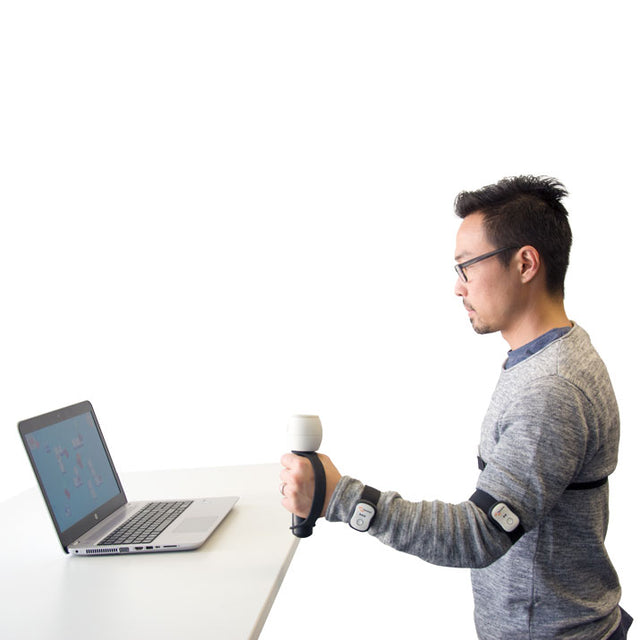
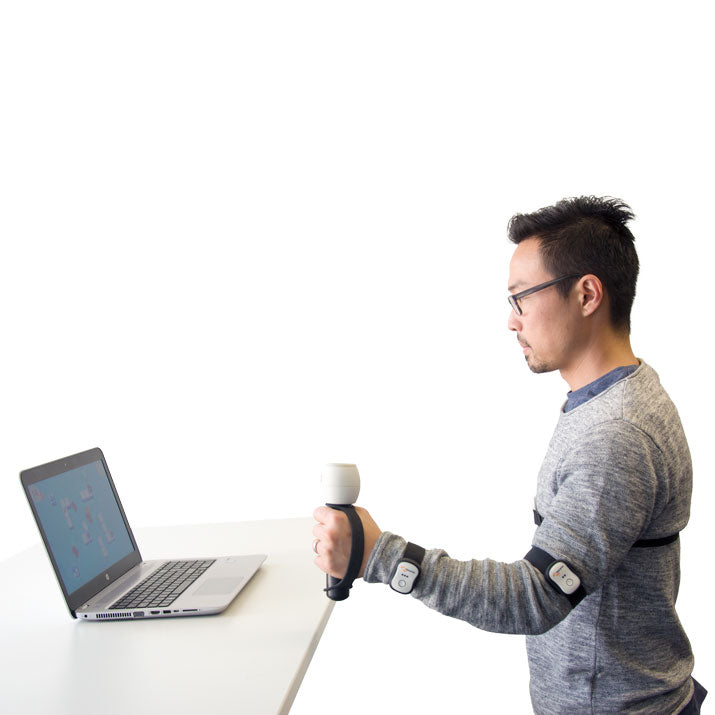
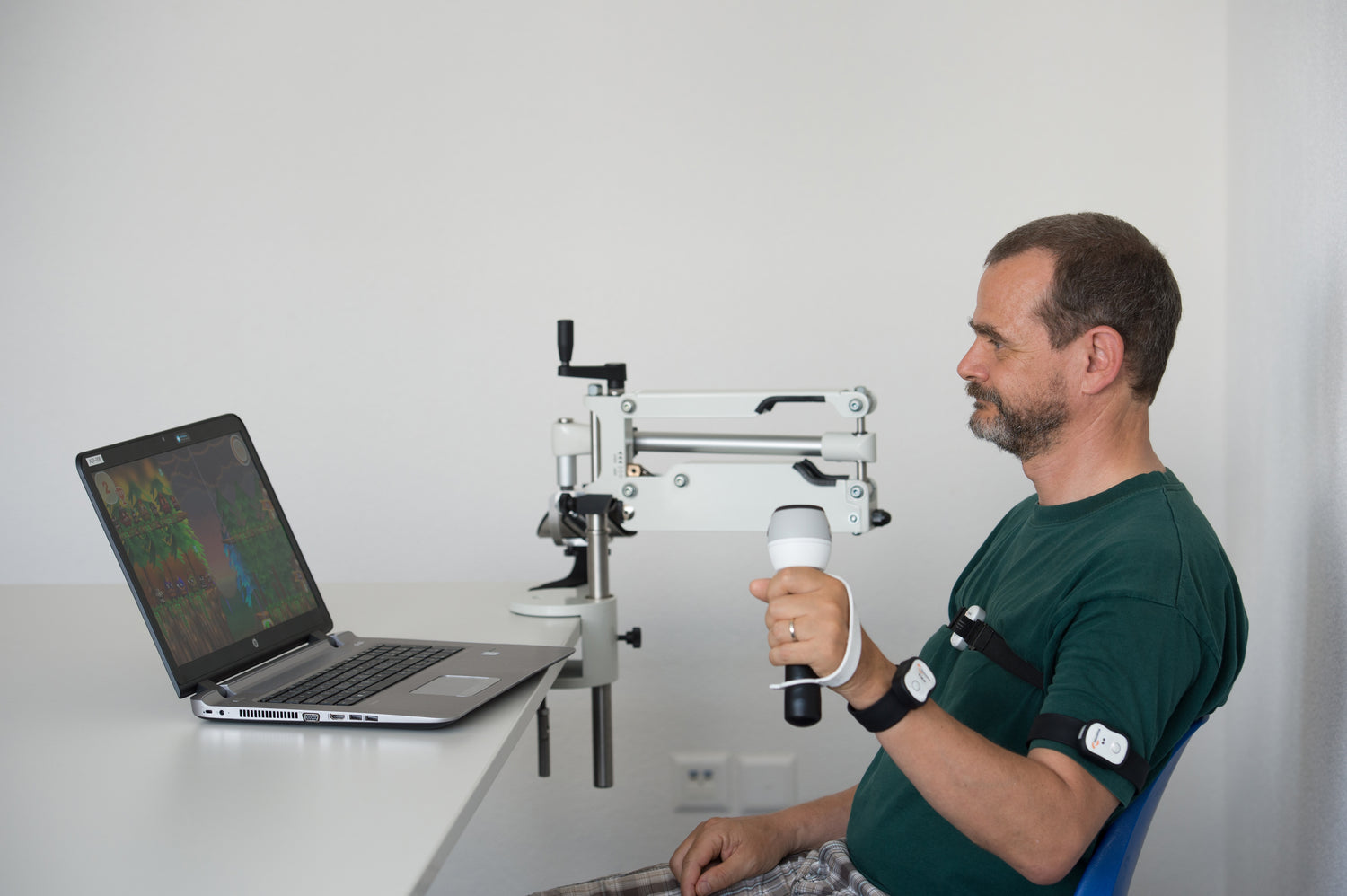
The Hocoma ArmeoSenso with Arm Weight Support and PC integration is an advanced rehabilitation device designed to support upper limb therapy through sensor-based movement tracking, combined with dynamic arm weight support. This powerful system is ideal for patients with mild to moderate upper limb impairments who need targeted, repetitive, and functional movement training to promote recovery and neuroplasticity.
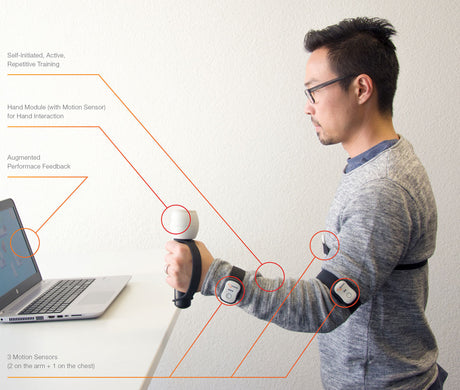
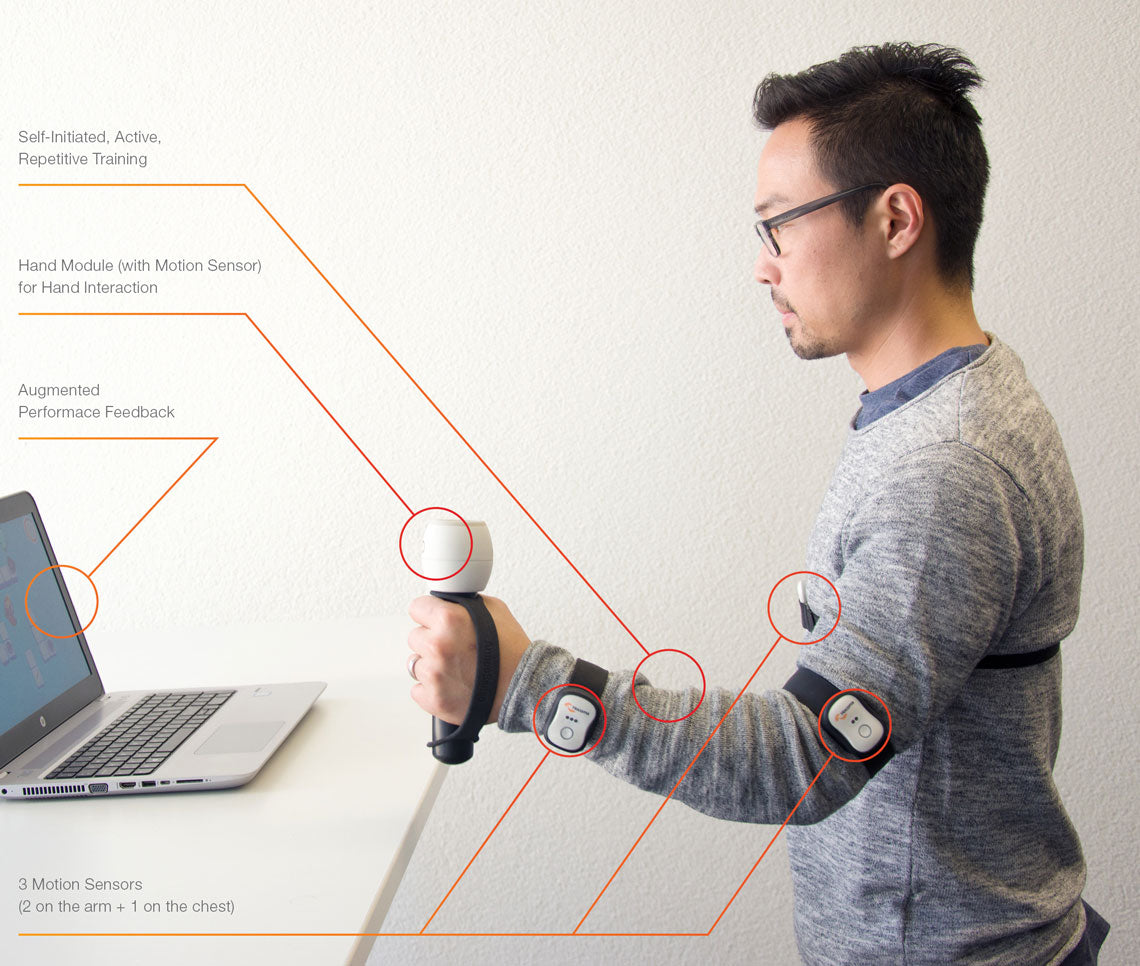
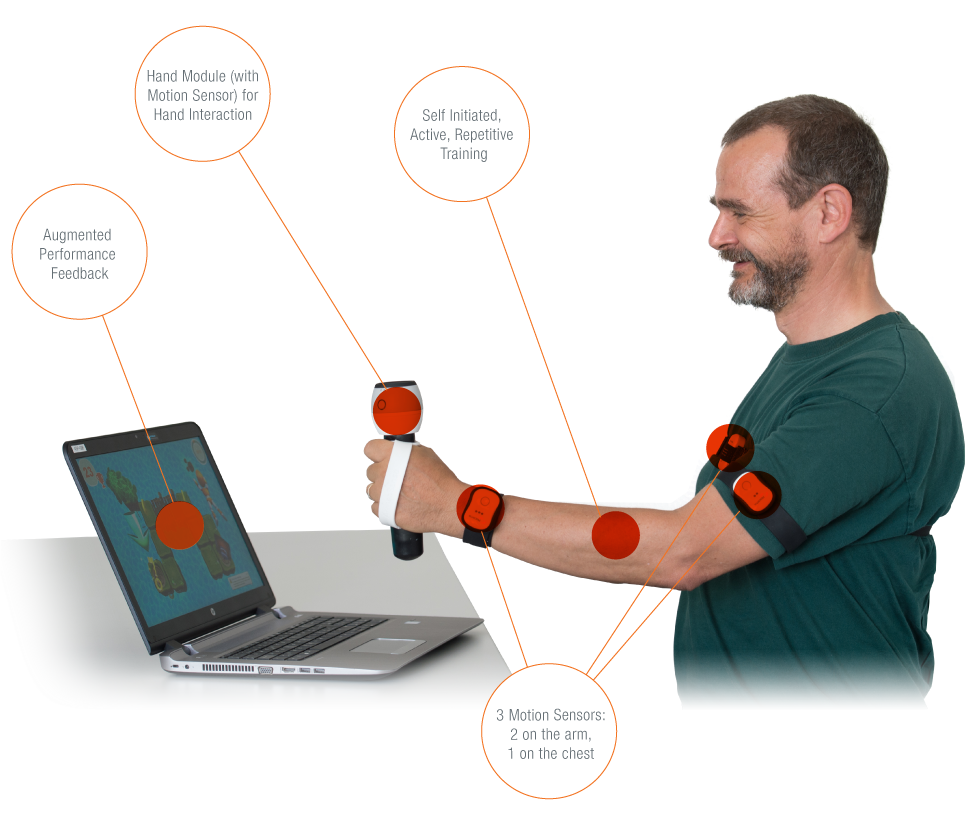
The ArmeoSenso uses sensors to monitor and guide arm movements, providing real-time feedback on performance, which helps patients stay motivated and engaged throughout the therapy. The arm weight support reduces the burden of gravity, enabling patients to perform movements they might otherwise find difficult or tiring, while still engaging in active participation. The added PC integration allows for detailed tracking and analysis of progress, offering clinicians valuable data to adjust therapy parameters and optimise treatment outcomes.
Designed to integrate seamlessly into a rehabilitation pathway, the ArmeoSenso with Arm Weight Support and PC offers a complete solution for progressive upper limb rehabilitation, from the initial stages of therapy to more advanced recovery. It’s ideal for outpatient clinics and rehabilitation centres where high-intensity, interactive therapy is essential for improving motor function.
Core Features
Sensor-Based Upper Limb Training
Tracks and guides arm movements with high precision, providing real-time feedback to encourage functional movement training.
Dynamic Arm Weight Support
Reduces the load on the arm, allowing patients to perform more movements with less fatigue while promoting muscle activation and neuroplasticity.
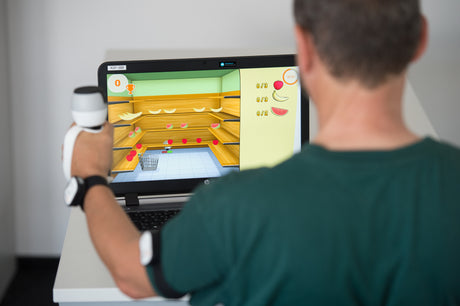
Engaging, Task-Oriented Therapy
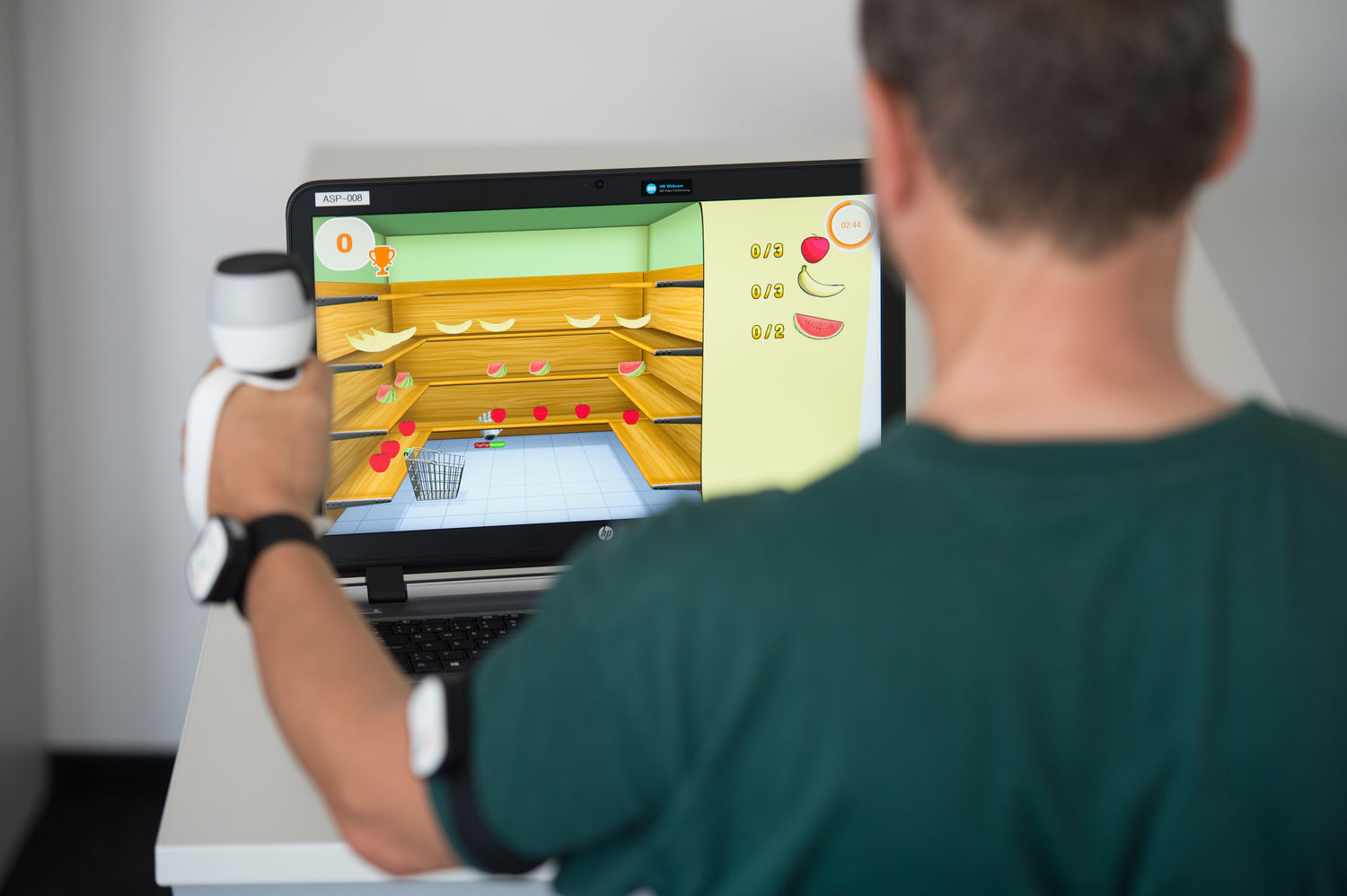
Interactive exercises and real-time visual feedback motivate patients, making therapy more enjoyable and focused on real-life tasks.
PC Integration for Progress Tracking
Detailed performance data is collected and displayed on the PC, giving clinicians insights into patient progress and helping tailor treatment for optimal results.
Objective Performance Monitoring
Automated assessments provide measurable data, helping track improvements over time and guiding clinical decisions to ensure the best recovery path for each patient.
Who It’s For
Ideal for rehabilitation facilities working with patients who have neurological or musculoskeletal conditions, such as stroke, traumatic brain injury, or multiple sclerosis, and who need support for improving upper limb function with a balance of autonomy and assistance.




 Open here